How to choose the best structure for mounting photovoltaic panels?
Tutorials
4/22/2026
Wybór odpowiedniej konstrukcji do montażu paneli fotowoltaicznych jest kluczowym elementem całego procesu instalacji systemu fotowoltaicznego. Odpowiednia konstrukcja nie tylko zapewnia stabilność i trwałość systemu, ale również maksymalizuje jego wydajność energetyczną. W tym artykule przedstawimy szczegółowy przewodnik, który pomoże Ci wybrać najlepszą konstrukcję do montażu paneli fotowoltaicznych, uwzględniając różnorodne aspekty techniczne, środowiskowe i ekonomiczne.
Rodzaje konstrukcji do montażu paneli fotowoltaicznych
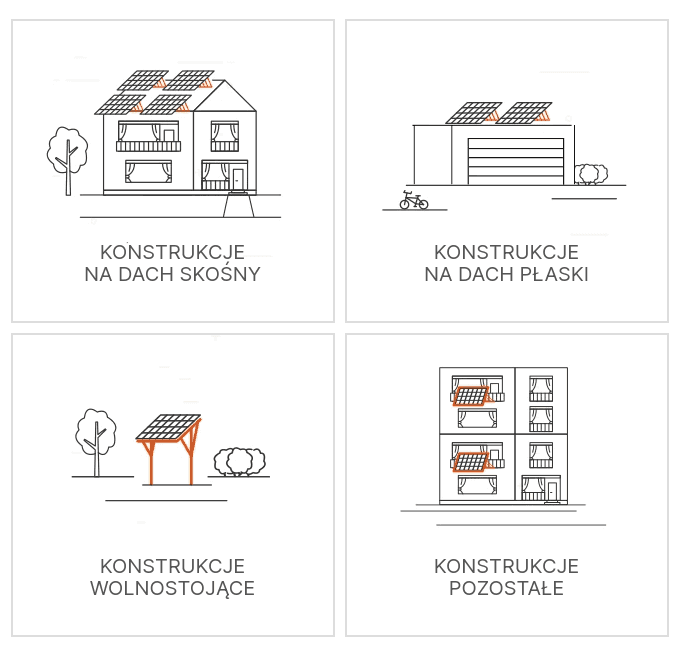
Istnieje wiele rodzajów konstrukcji fotowoltaicznych. Każda z nich dostosowana jest do innego rodzaju podłoża. Poniżej przedstawiamy dokładną ich listę:
Dachy skośne
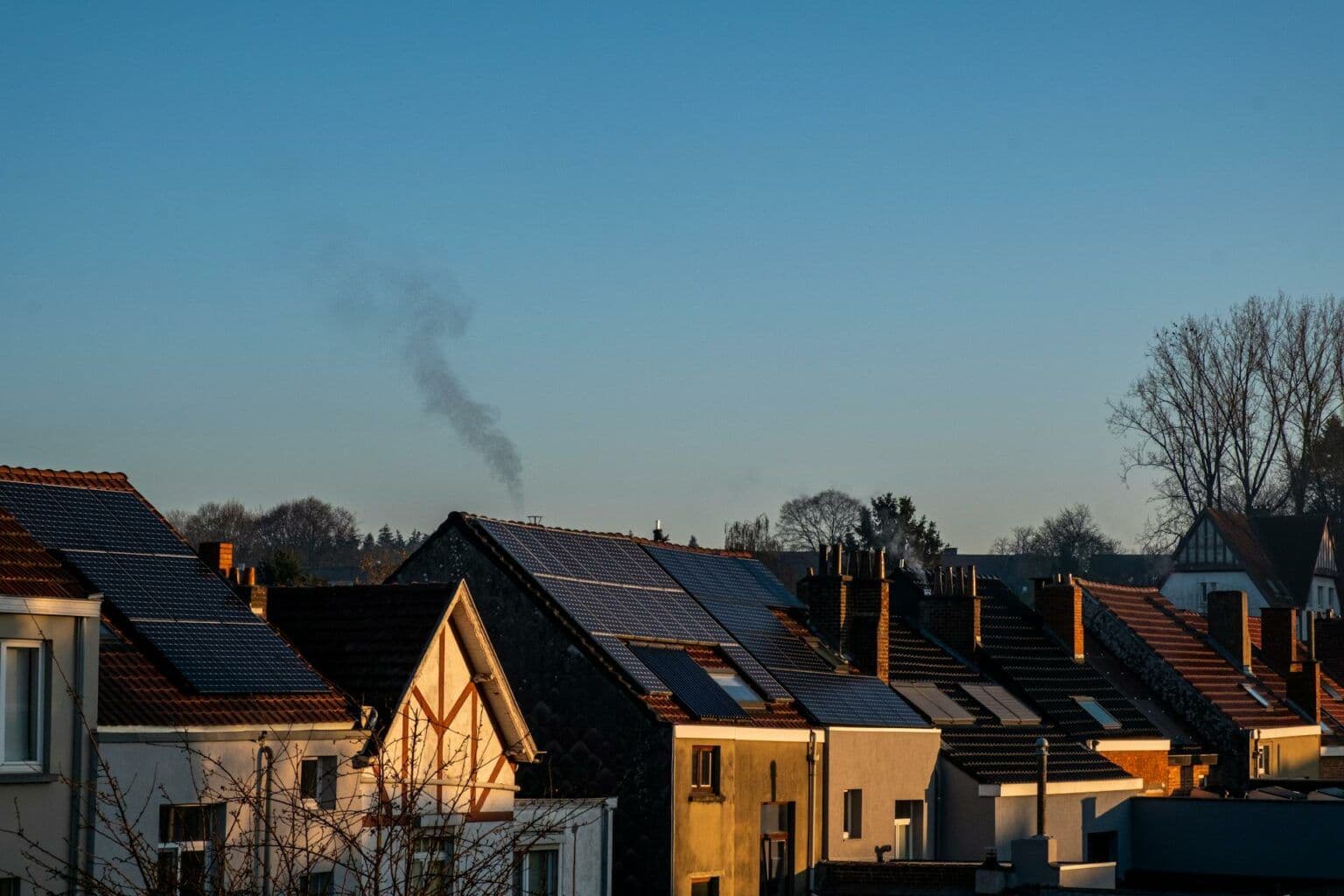
Na dachach skośnych panele fotowoltaiczne montowane są za pomocą specjalnych uchwytów i systemów mocujących, które zapewniają stabilność i bezpieczeństwo instalacji. Konstrukcje te są projektowane tak, aby optymalnie wykorzystać dostępny kąt nachylenia dachu, co zwiększa wydajność energetyczną systemu.
Dachy płaskie
Dachy płaskie wymagają specjalnych stelaży, które podnoszą panele pod optymalnym kątem. Konstrukcje te są często modułowe, co pozwala na łatwy montaż i ewentualne zmiany konfiguracji w przyszłości. Warto zwrócić uwagę na systemy balastowe, które nie wymagają wiercenia w dachu, co minimalizuje ryzyko uszkodzeń i przecieków.
Konstrukcje naziemne
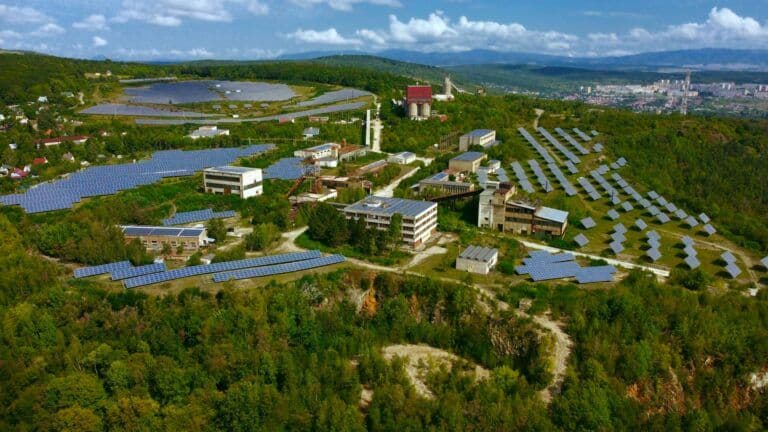
Konstrukcje naziemne są idealne dla instalacji na terenach o dużej dostępnej powierzchni. Są one montowane na specjalnych stelażach, które umożliwiają ustawienie paneli pod optymalnym kątem oraz w odpowiednim kierunku. Konstrukcje naziemne mogą być stałe lub wyposażone w systemy śledzenia ruchu słońca (trackery), które zwiększają wydajność energetyczną.
Konstrukcje wolnostojące
Konstrukcje wolnostojące, takie jak carporty fotowoltaiczne czy wiaty, łączą funkcjonalność z produkcją energii. Chronią pojazdy lub inne przedmioty przed warunkami atmosferycznymi, jednocześnie generując energię elektryczną. Są idealne dla właścicieli domów oraz firm, które chcą maksymalnie wykorzystać dostępną przestrzeń.
Czynniki wpływające na wybór konstrukcji
Strefa klimatyczna
Wybór konstrukcji powinien być dostosowany do lokalnych warunków klimatycznych. W regionach o silnych wiatrach konieczne są bardziej wytrzymałe konstrukcje, które zapewnią stabilność instalacji. W miejscach o dużej ilości opadów śniegu ważne jest, aby konstrukcja była w stanie wytrzymać dodatkowe obciążenie.
Ukształtowanie terenu
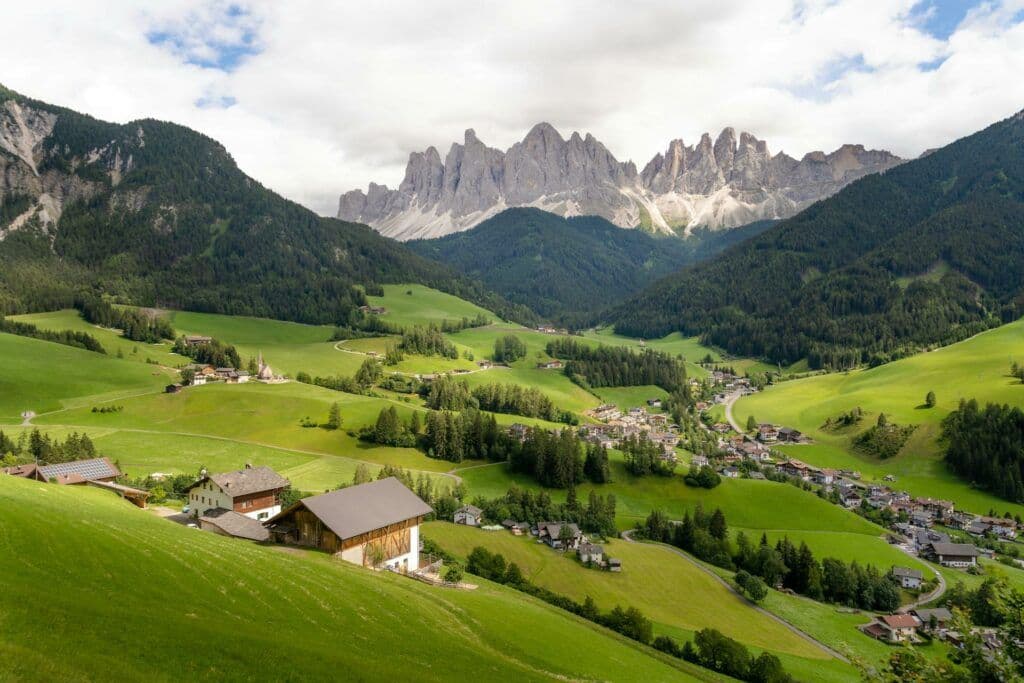
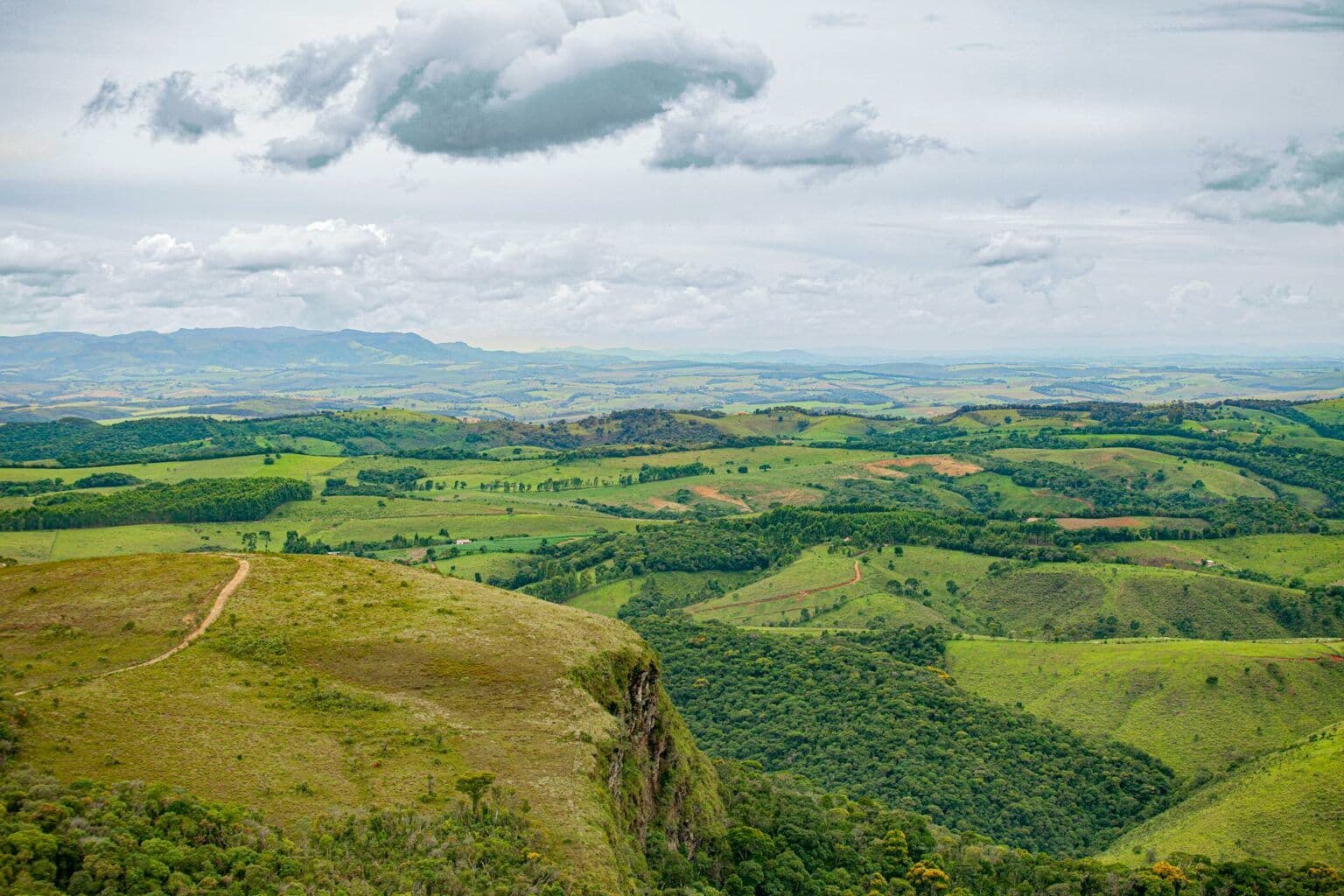
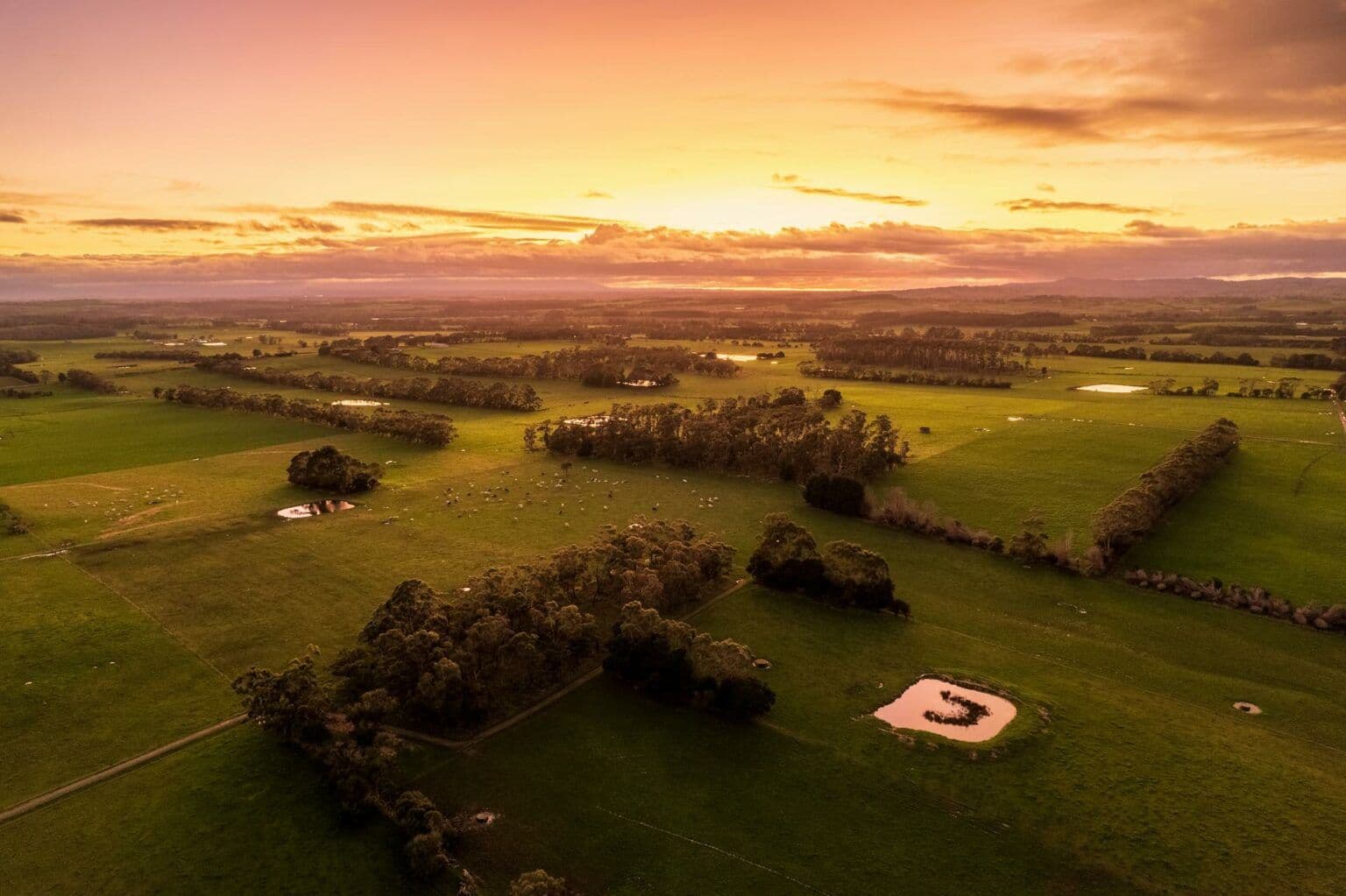
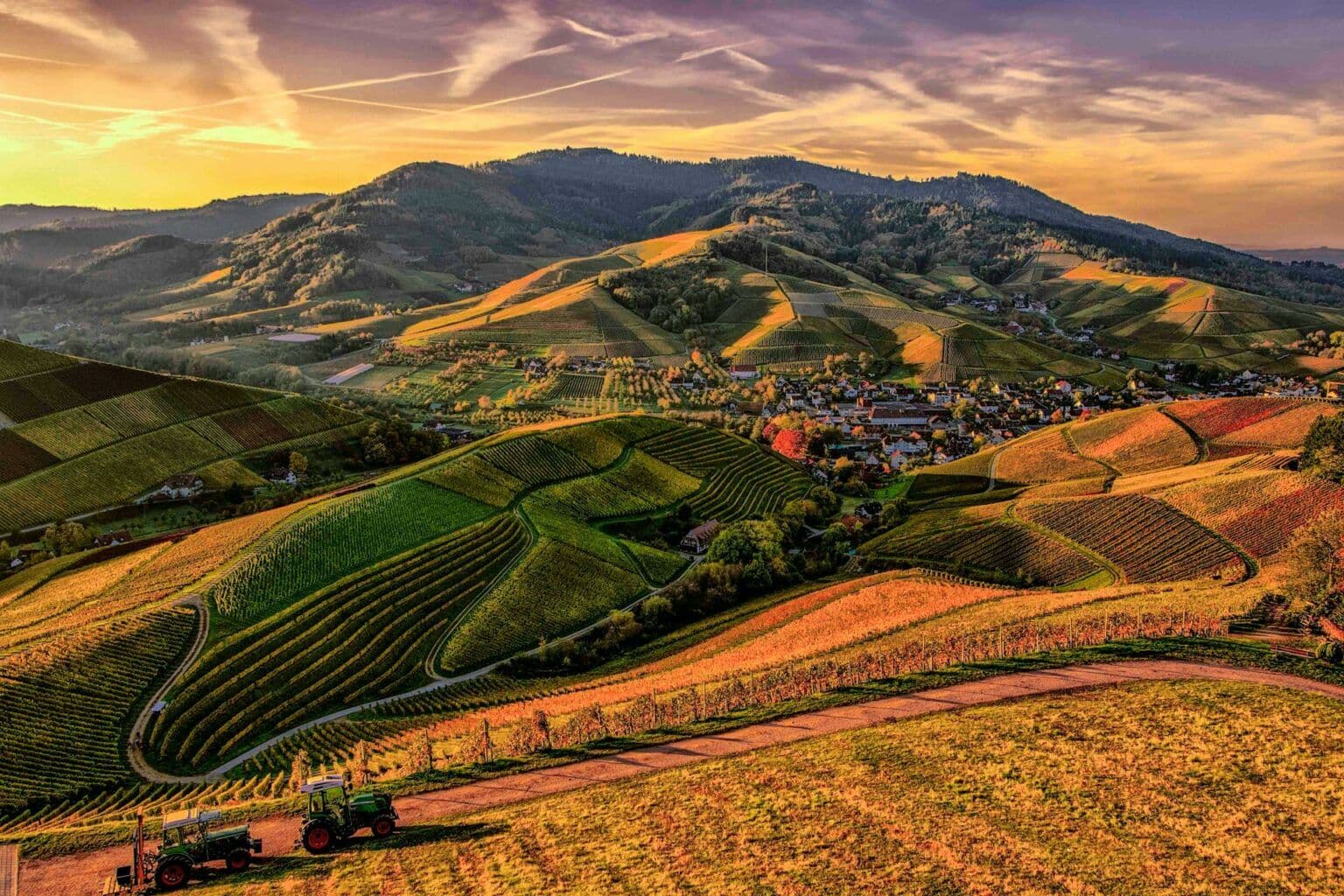
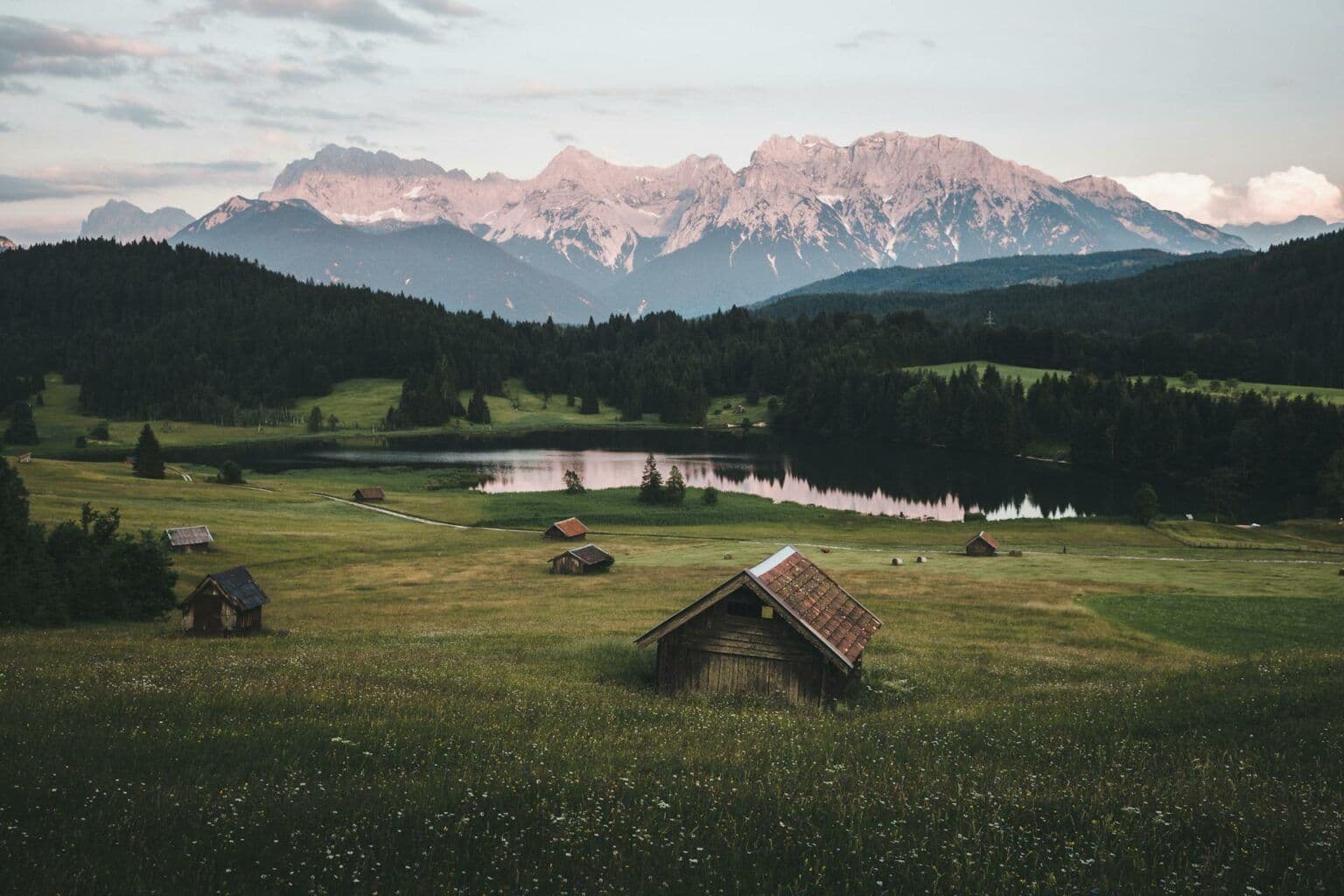
Ukształtowanie terenu również odgrywa ważną rolę. Na terenach górzystych konieczne mogą być specjalne konstrukcje, które uwzględniają nachylenie i stabilność podłoża. Na terenach płaskich można zastosować standardowe konstrukcje naziemne lub dachowe.
Typ budynku
Budynki mieszkalne
For residential buildings, roof-mounted structures are most commonly chosen. However, it is important to assess roof load capacity and technical condition before installation. In the case of flat roofs, ballast systems are popular as they do not interfere with the roof structure.
Commercial and industrial buildings
In commercial and industrial facilities, both roof-mounted and ground-mounted systems are commonly used. Large flat roofs are ideal for PV installations, while additional land can be used for ground-mounted systems.
Energy efficiency
Optimal tilt angle and orientation
To achieve maximum energy output, PV panels should be installed at an optimal tilt angle and oriented south (in the Northern Hemisphere) or north (in the Southern Hemisphere). Mounting structures should allow such positioning.
Solar tracking systems
Solar tracking systems (trackers) increase system efficiency by automatically adjusting panel tilt to the sun’s position throughout the day. They are especially effective in large ground-mounted installations.
Costs and return on investment

Initial costs
Initial PV installation costs include not only panels and inverters but also mounting structures. Roof-mounted systems are typically cheaper than ground-mounted ones, although costs vary depending on project specifications.
Maintenance costs
Maintenance costs depend on the type of structure and installation location. Roof systems require regular panel cleaning, while ground-mounted systems may require additional protection against mechanical damage.
Return on investment
ROI depends on many factors, including initial costs, system efficiency, local weather conditions, and electricity prices. A well-designed PV system with an appropriate mounting structure can pay back within a few years, generating significant long-term savings.
Summary
Choosing the best photovoltaic mounting structure requires a detailed analysis of multiple factors, including climate conditions, building type, energy performance, and costs. Roof-mounted, ground-mounted, and freestanding structures each have their own advantages and limitations that must be considered in the decision-making process.
Working with an experienced company such as Hetmaniok ensures access to high-quality materials, modern technologies, and professional guidance, enabling the selection of the optimal solution. Investing in the right mounting structure is the key to an efficient and durable photovoltaic system that will deliver benefits for many years.