Mounting components for photovoltaics – everything you need to know!
Tutorials
4/22/2026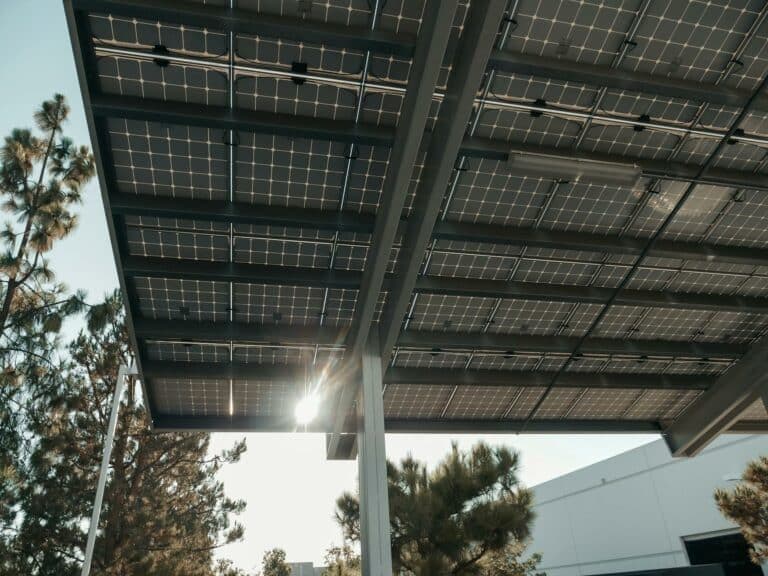
With the growing popularity of photovoltaics, more and more people are choosing to install solar panels on residential and commercial buildings. However, selecting the right panels is only one part of the process. A crucial role is also played by mounting components for photovoltaic systems, which ensure stability, durability, and overall efficiency of the entire installation. In this article, we explain which mounting elements are essential in PV systems, their functions, and what to consider when choosing them.
Why are mounting components for photovoltaic systems so important?
Mounting components for photovoltaics are responsible for the safe installation of solar panels on various surfaces – sloped roofs, flat roofs, ground installations, or façades. They determine the stability and safety of the system throughout its entire service life, which can last up to 25 years.
High-quality mounting components for PV panels protect the installation from damage caused by wind, snow, rain, and other environmental factors. Using durable components ensures long-term system reliability and optimal performance.
Types of photovoltaic mounting components
Depending on the installation location, mounting elements for PV systems differ in design and materials. Below are the most commonly used types.
1. Sloped roof installations
Sloped roofs are among the most popular locations for solar panel installation. Various mounting systems are used here, adapted to roofing types such as ceramic tiles, metal sheets, or roofing felt.
Main mounting components for sloped roofs:
- Mounting rails – lightweight aluminum profiles serving as the base for attaching PV panels.
- Roof hooks – brackets fixed to the roof structure, supporting the rails. Their type depends on the roofing material.
- Screws and bolts – elements securing the hooks to the roof, ensuring structural stability.
2. Montaż na dachach płaskich
Flat roofs require systems that allow panels to be installed at an optimal angle to maximize solar exposure and energy production.
Mounting components for flat roof PV systems:
- Ballast systems – structures not fixed into the roof, stabilized with weights, minimizing roof penetration and potential damage.
- Mounting frames – structures allowing panels to be tilted (typically 10–30°) for optimal energy yield.
3. Ground-mounted photovoltaic structures
Ground-mounted systems are commonly used in large-scale installations such as solar farms, but they are also suitable for smaller projects. A good example is photovoltaic carports, which function both as shelters and energy generators.
These systems also simplify maintenance and servicing due to easy access. However, they require dedicated structures for stable installation in open terrain.
Key mounting components for ground-mounted systems:
- Steel or aluminum frames – supporting structures anchored to the ground.
- Ground anchors – elements securing the structure in soil, ensuring resistance to wind loads.
Materials used in photovoltaic mounting components
The material used in PV mounting systems is critical for durability and long-term performance. The most commonly used materials include:
- Aluminum – lightweight, corrosion-resistant, and durable; ideal for rails and frames.
- Stainless steel – highly resistant to weather conditions; commonly used in bolts, anchors, and structural connectors.
- Magnelis steel – a protective coating offering superior corrosion resistance, widely used in modern large-scale PV installations.
Anti-corrosion protection in mounting systems
Photovoltaic systems are exposed to harsh environmental conditions such as rain, snow, and humidity. Therefore, proper corrosion protection of mounting components is essential.
Common protection methods include:
- Hot-dip galvanization – coating steel with a layer of zinc for corrosion resistance.
- Magnelis coating – advanced protection providing exceptional durability in demanding environments.
Safety of photovoltaic installations
PV installation must always comply with building codes and safety regulations. Mounting components must be adapted to local climatic conditions to ensure stability under wind and snow loads.
Improper installation can lead to damage of panels or structures, and in extreme cases even safety hazards. Therefore, installation should always be performed by qualified professionals with PV experience.
Tips for choosing mounting components
Key factors to consider when selecting PV mounting systems:
- Surface type – ensure components match the installation surface (sloped roof, flat roof, or ground).
- Material quality – choose corrosion-resistant and weatherproof materials.
- Load resistance – verify compliance with local wind and snow load requirements.
- Optimal tilt angle – the system should allow proper panel positioning for maximum efficiency.
Summary
Mounting components for photovoltaics are a fundamental part of every solar installation, directly influencing its stability, safety, and efficiency. Choosing high-quality, weather-resistant components is an investment in long-term system durability and optimal energy production.
Proper installation carried out by experienced specialists ensures maximum performance and long-lasting reliability of the entire photovoltaic system.